


 844-436-7691

If you live in a colder climate, winter is mostly a time for staying in and staying warm. But if you own a dog, it also means bundling up and getting them out. Here are a few tips to keep your dogs happy and healthy as the temperatures drop.
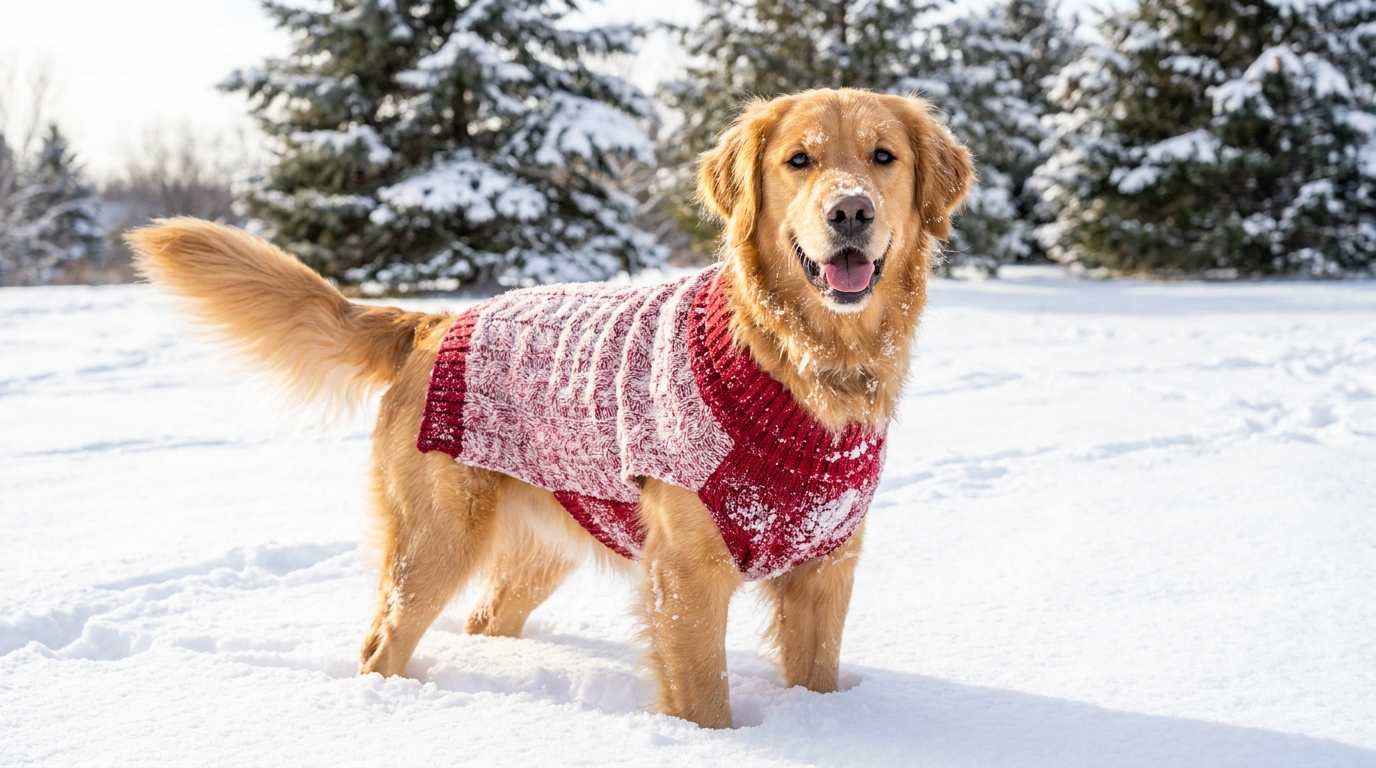
Know Their Tolerance for Cold
Just because dogs have fur coats doesn't mean they're always warm enough. Learn your dog's tolerance: do they have a short coat? Are they low to the ground? If so, more of them contacts snow and ice and they'll get cold faster than a bigger, thicker-coated dog. Researching your breed's cold tolerance before winter helps you both stay prepared.
Clean Their Paws
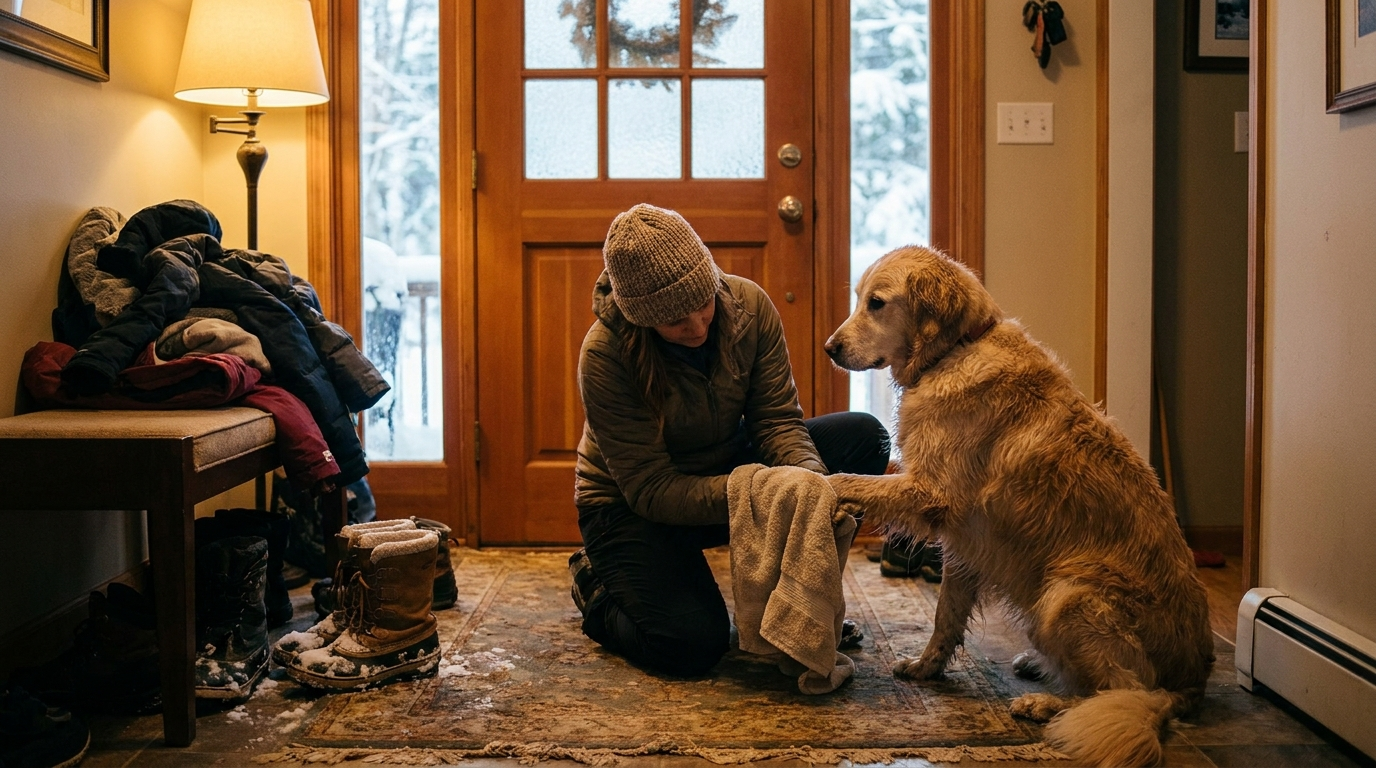
Running in the snow is great, but it can irritate your dog's paws — ice, salt, and de-icing chemicals can cause cracking and bleeding of the pads. Wipe down your dog's paws and belly after walks to remove salt and ice buildup, and bring a towel on longer outings to wipe them at the halfway point.
Keep an Eye Out for Chemicals
Wiping paws isn't only about comfort — it stops your dog from licking off toxins. Antifreeze, snow-melt chemicals, and winter garden products are dangerous to pets, and antifreeze in particular has a sweet taste that attracts dogs. Coolants made with propylene glycol are a less-toxic alternative. For more, see the ASPCA's cold weather safety tips, and if you ever suspect a poisoning, contact the ASPCA Animal Poison Control Center.
Monitor Their Food Intake
Dogs (like us) can instinctively want more food in the cold. If your dog isn't spending much time outdoors, the extra calories will do more harm than good — but if they're getting plenty of outdoor exercise, a slight increase can be appropriate. Ask your veterinarian for a healthy target weight.
Winter Wellness Upkeep
Cold weather can aggravate joint stiffness and other conditions, and dogs with certain health issues may struggle to regulate their temperature. Keep up regular checkups so your dog feels their best. A daily hemp oil for dogs can be a nice addition to a cold-weather routine to support comfort and calm — see our guide on hemp for senior dogs if stiffness is a concern.
Do You Own Horses?
Make sure horses have a barn or three-sided run-in for shelter from wind and cold. Not every horse needs blanketing, but blankets help keep them warm and dry in rain or snow. Use heated buckets or de-icers so water never freezes over, and offer unlimited forage — digesting it helps horses generate heat and regulate their temperature in extreme cold. For calm support through winter hauling or handling, see our hemp for horses range.

Organically grown, full-spectrum hemp oil to support comfort and calm through the winter — third-party tested, made on our Colorado family farm.
Shop Hemp for Dogs →Frequently Asked Questions
How cold is too cold for a dog?
It depends on breed, coat, size, and age. Small, short-coated, young, senior, or thin dogs feel the cold much faster. As a rule, if it's uncomfortably cold for you outside, it's likely too cold for extended time out for them — watch for shivering, lifted paws, or reluctance to keep walking.
Do I really need to wipe my dog's paws after winter walks?
Yes. It removes irritating salt and de-icing chemicals from the pads and, importantly, keeps your dog from licking off toxins like antifreeze. Wipe the paws, legs, and belly.
Should I feed my dog more in winter?
Only if their activity increases. Indoor dogs generally don't need extra calories in winter, and overfeeding leads to weight gain. Match food to activity and confirm a healthy weight with your vet.
This content is for general wellness information and is not a substitute for veterinary care. These statements have not been evaluated by the Food and Drug Administration. Our products are not intended to diagnose, treat, cure, or prevent any disease.


