


 844-436-7691

Veterinarians' and Clients' Perspectives on the Use of Hemp Products
In 2018, the Hemp Farm Bill removed hemp from being considered a Schedule 1 drug under the Controlled Substances Act. Hemp can now legally be grown, prepared, and sold across the United States. To be classified as hemp instead of marijuana, the full weight of the plant must contain less than 0.3% tetrahydrocannabinol (THC). In a study of 2,130 veterinarians, 61.5% felt they could confer with their colleagues regarding the use of cannabidiol (CBD) products, but only 45.5% felt they could approach clients about CBD products. When the veterinarians were asked if they had any clinical experience with CBD products in dogs, 56.1% said they had. The majority of participants identified that both marijuana and CBD products contain benefits and were in favor of using CBD products for animals.
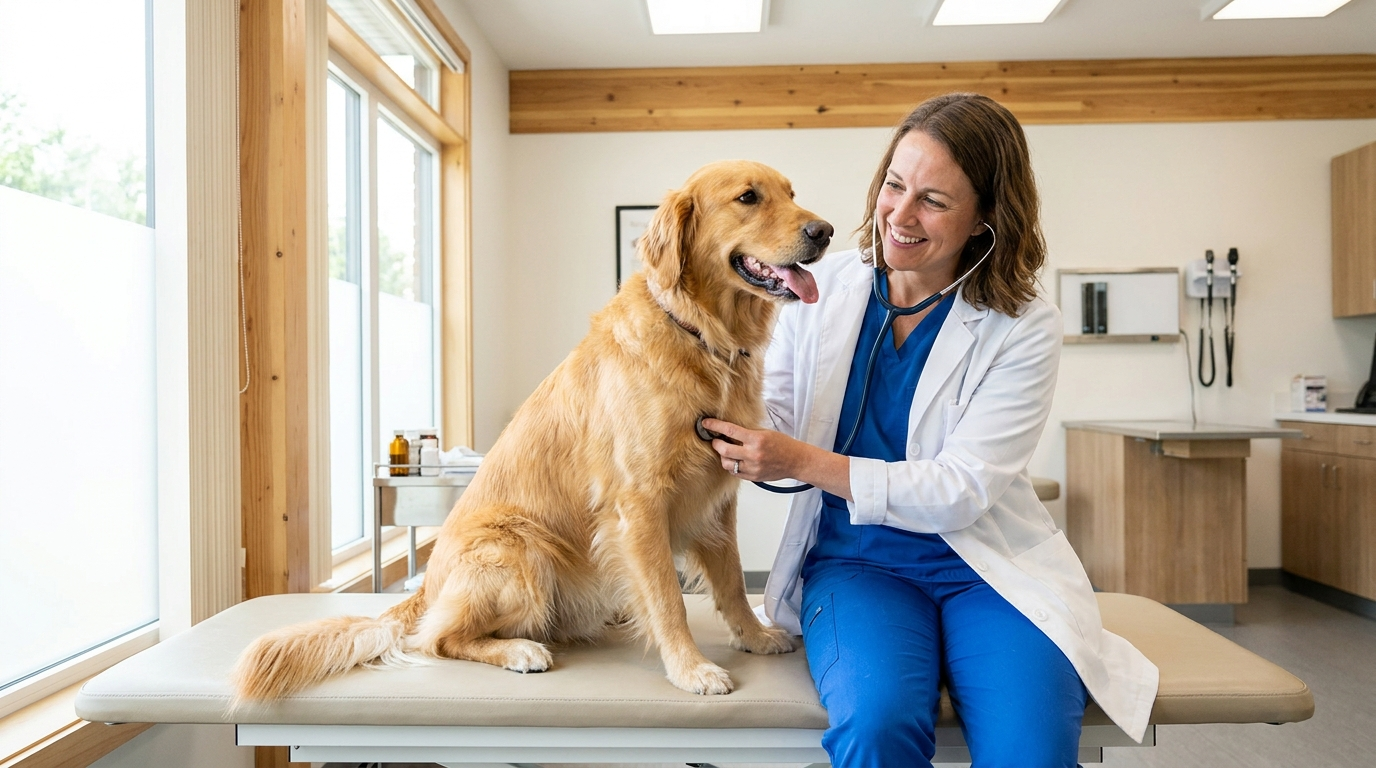
Much of the cannabis research completed to date has focused on the toxicity of cannabis rather than the potential benefits of CBD or hemp. A large misconception exists between the pharmacodynamics of THC and CBD, and the idea that marijuana is the same as hemp and every product will have the same effect on the body. Many veterinarians are not comfortable discussing hemp or are not permitted to recommend it in the United States, yet the general public has access to a wide range of consumer products. These products often have minimal quality control and labeling requirements, and consumer use continues to increase without veterinary support or guidance.
In areas where recreational marijuana has been legalized, more veterinarians and clients were willing to discuss CBD products compared with states where it remains illegal. The most common areas where veterinarians felt CBD had potential were supporting calm, easing everyday stress, and comfort. Non-steroidal anti-inflammatory drugs (NSAIDs) are commonly used for chronic discomfort such as osteoarthritis but carry the potential for side effects affecting the kidney and liver in dogs — a particular concern for geriatric patients. Interest in alternatives like hemp has grown partly because owners report fewer side effects. In a study of 70 dog owners who had used hemp with their animals, 92.9% said they would recommend these products to friends.
Veterinarians' impressions of guidance from state veterinary associations and boards are often unclear, leaving many unsure how to proceed. The mammalian body is naturally filled with cannabinoid receptors in the central and peripheral nervous systems. The majority of recent veterinary graduates, and those in states where recreational marijuana is legal, do not perceive CBD as a Schedule 1 drug and would like the classification reviewed.
There is a recognized gap in knowledge and research on how to dose animals and which products to recommend, and many veterinarians feel they haven't had adequate training on CBD. According to the data, clients are increasingly curious about hemp and how it may support their pets.
Why Transparency and Testing Matter
There is a clear gap between client and veterinarian comfort in discussing hemp for pets. Natural pet supplement sales have grown steadily, yet when owners look for information most turn to product websites rather than their veterinarian. There has also been a rise in cannabis toxicity cases in pets, often from owners' lack of dosing knowledge — the Pet Poison Hotline reported a sharp increase in marijuana toxicity cases over recent years, underscoring why guidance and clear labeling matter.
The American Herbal Products Association (AHPA) has assembled doctors, veterinarians, scientists, and educators to help bridge the gap between herbal-product safety and consumer knowledge. In a study where 29 animal hemp products were reviewed, only 18 were labeled correctly and only 22 provided a third-party certificate of analysis. If veterinarians were routinely supplied with a certificate of analysis showing cannabinoid concentrations, THC percentage, and full-spectrum vs. isolate information, they would be far better equipped to advise their patients.
Frequently Asked Questions
Can veterinarians prescribe or recommend CBD for pets?
It varies by state and remains a gray area. Many vets feel limited by unclear guidance from their boards and a lack of formal training, which is why owners often research hemp on their own. Always involve your vet in the conversation regardless.
Why do so many owners research hemp online instead of asking their vet?
Surveys show a comfort gap: many veterinarians feel under-informed or legally constrained, so owners turn to product websites. That makes third-party testing and clear labeling especially important.
What should a veterinarian look for in a pet hemp product?
A current third-party Certificate of Analysis showing cannabinoid concentrations and THC percentage, whether it's full-spectrum or isolate, and screening for contaminants. Studies have found many products are mislabeled or lack a COA.
These statements have not been evaluated by the Food and Drug Administration. This product is not intended to diagnose, treat, cure, or prevent any disease. Always consult your veterinarian before adding any supplement to your pet's routine.
Sources
- Kogan L, Schoenfeld-Tacher R, Hellyer P, Rishniw M. US Veterinarians' Knowledge, Experience, and Perception Regarding the Use of Cannabidiol for Canine Medical Conditions. Front Vet Sci. 2019;5:338.
- Gamble LJ, Boesch JM, Frye CW, et al. Pharmacokinetics, Safety, and Clinical Efficacy of Cannabidiol Treatment in Osteoarthritic Dogs. Front Vet Sci. 2018;5:165.
- Kogan LR, Hellyer PW, Silcox S, Schoenfeld-Tacher R. Canadian dog owners' use and perceptions of cannabis products. Can Vet J. 2019;60(7):749-755.
- Wakshlag JJ, Cital S, Eaton SJ, Prussin R, Hudalla C. Cannabinoid, Terpene, and Heavy Metal Analysis of 29 Over-the-Counter Commercial Veterinary Hemp Supplements. Vet Med (Auckl). 2020;11:45-55.
- Deabold KA, Schwark WS, Wolf L, Wakshlag JJ. Single-Dose Pharmacokinetics and Preliminary Safety Assessment with Use of CBD-Rich Hemp Nutraceutical in Healthy Dogs and Cats. Animals (Basel). 2019;9(10):832.


